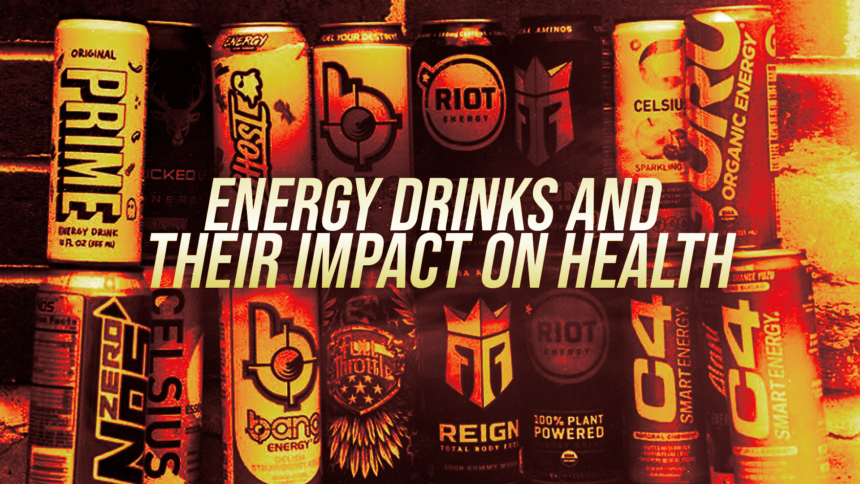
Growing concern about the health effects of energy drinks has prompted England to announce a ban on selling high-caffeine versions to children under 16. The restriction, expected to take effect in April 2027 subject to parliamentary approval, reflects wider unease about beverages that promise greater energy and concentration but can also disrupt sleep, increase anxiety and place additional pressure on the cardiovascular system.
The ban will cover drinks containing more than 150 milligrams of caffeine per litre and will apply to shops, cafés, restaurants, websites and vending machines. Tea, coffee and lower-caffeine soft drinks will not be included. The government estimates that approximately 100,000 children in England consume high-caffeine energy drinks every day, with consumption reported more frequently among children from economically deprived communities. Retailers that repeatedly break the rules could face fines of up to £2,500. The British government confirmed the planned restriction in July 2026.
Energy drinks commonly contain caffeine, added sugar, taurine, guarana, B vitamins and other ingredients marketed as performance enhancers. Caffeine is the substance primarily responsible for their stimulating effect. It blocks adenosine, a chemical that promotes tiredness, temporarily making consumers feel more awake, alert and focused. This may improve reaction time or exercise performance for a limited period, but it does not replace adequate sleep, nutrition or hydration.
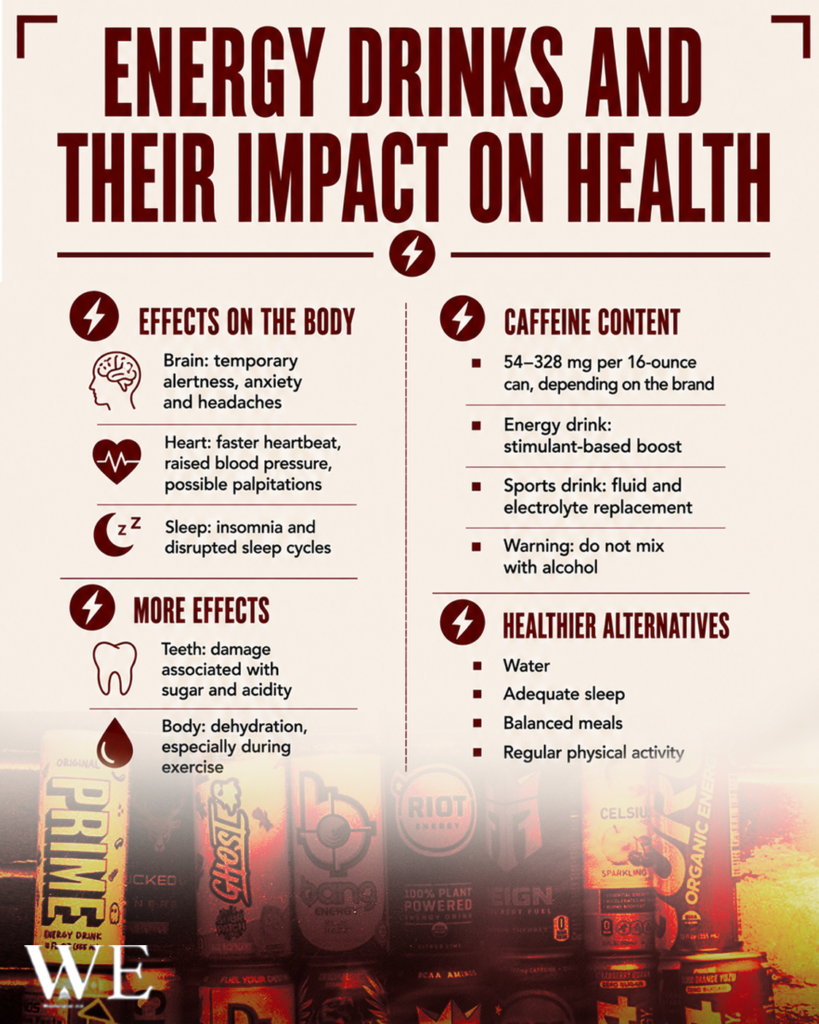
The amount of caffeine differs greatly between products. According to the US Food and Drug Administration, a 12-fluid-ounce energy drink may contain between 41 and 246 milligrams, while some 16-ounce products contain as much as 328 milligrams. Drinking several cans, particularly alongside coffee, tea, pre-workout supplements or caffeine tablets, can quickly push total intake to potentially harmful levels. The FDA advises most healthy adults to remain within approximately 400 milligrams of caffeine daily.

In the short term, excessive caffeine may cause a rapid heartbeat, palpitations, raised blood pressure, shakiness, headache, nausea and stomach discomfort. People can also experience nervousness, irritability or panic-like symptoms. Serious complications, including abnormal heart rhythms and seizures, have been reported after very high or rapidly consumed doses, although such events remain uncommon and often involve additional risk factors.
People with heart disease, uncontrolled high blood pressure, anxiety disorders or sensitivity to caffeine may experience adverse effects at considerably lower doses. Some medicines and stimulant-containing supplements can also intensify caffeine’s effects. Anyone who develops chest pain, fainting, severe breathlessness, a sustained irregular heartbeat or a seizure after consuming an energy drink should seek urgent medical assistance.
Sleep disruption is among the most consistent health concerns. Caffeine consumed during the afternoon or evening can delay sleep, reduce total sleeping time and impair sleep quality. This may create a cycle in which a person drinks more caffeine to manage daytime tiredness, only to sleep poorly again the following night. Among students, repeated sleep loss can affect mood, memory, concentration, behaviour and academic performance.

Children and teenagers are especially vulnerable because of their smaller bodies and developing nervous systems. The same can of energy drink produces a much larger caffeine dose relative to body weight in a child than in an adult. The American Academy of Pediatrics advises that energy drinks have no place in children’s or adolescents’ diets. The US Centers for Disease Control and Prevention lists insomnia, anxiety, dehydration and cardiovascular complications among the potential dangers. The CDC reports that energy drinks are consumed by an estimated 30 to 50 percent of adolescents.
Sugar creates a second area of concern. Regular sugary energy drinks can contain several teaspoons of added sugar in a single container. Frequent consumption adds calories without providing substantial nutritional value and is associated with weight gain, obesity, type 2 diabetes and tooth decay. Sugar-free versions reduce the calorie and sugar burden, but they still contain caffeine and acids that may damage tooth enamel.
Energy drinks should not be confused with sports drinks. Sports drinks are designed mainly to replace fluid, carbohydrates and electrolytes during prolonged exercise, while energy drinks are stimulant beverages. Using energy drinks for hydration during intense physical activity may increase caffeine intake at a time when heart rate is already elevated. Water remains the most suitable drink for most routine exercise and daily hydration.
Combining energy drinks with alcohol presents another danger. Caffeine may make a person feel more alert, but it does not lower blood-alcohol concentration or reverse impaired judgment and coordination. Consumers may therefore underestimate their intoxication, drink more alcohol or engage in riskier behaviour. The CDC warns that mixing alcohol and caffeine can increase drinking, injury and cardiovascular risks.
Pregnant women are advised by the NHS to limit total caffeine intake to 200 milligrams per day because higher consumption has been associated with pregnancy complications. Children should avoid energy drinks, while adults should read labels, count caffeine from every source and avoid consuming several products within a short period. Individual tolerance should never be treated as proof that a high dose is safe.
For a healthy adult, an occasional energy drink that keeps total caffeine within recommended limits may not cause serious harm. However, frequent consumption, large servings, poor sleep, alcohol mixing or underlying medical conditions substantially change the risk. The growing regulatory response shows that the real question is not whether energy drinks provide a temporary boost, they do, but whether that brief stimulation is worth the potential cost to sleep, mental wellbeing, dental health and the heart.