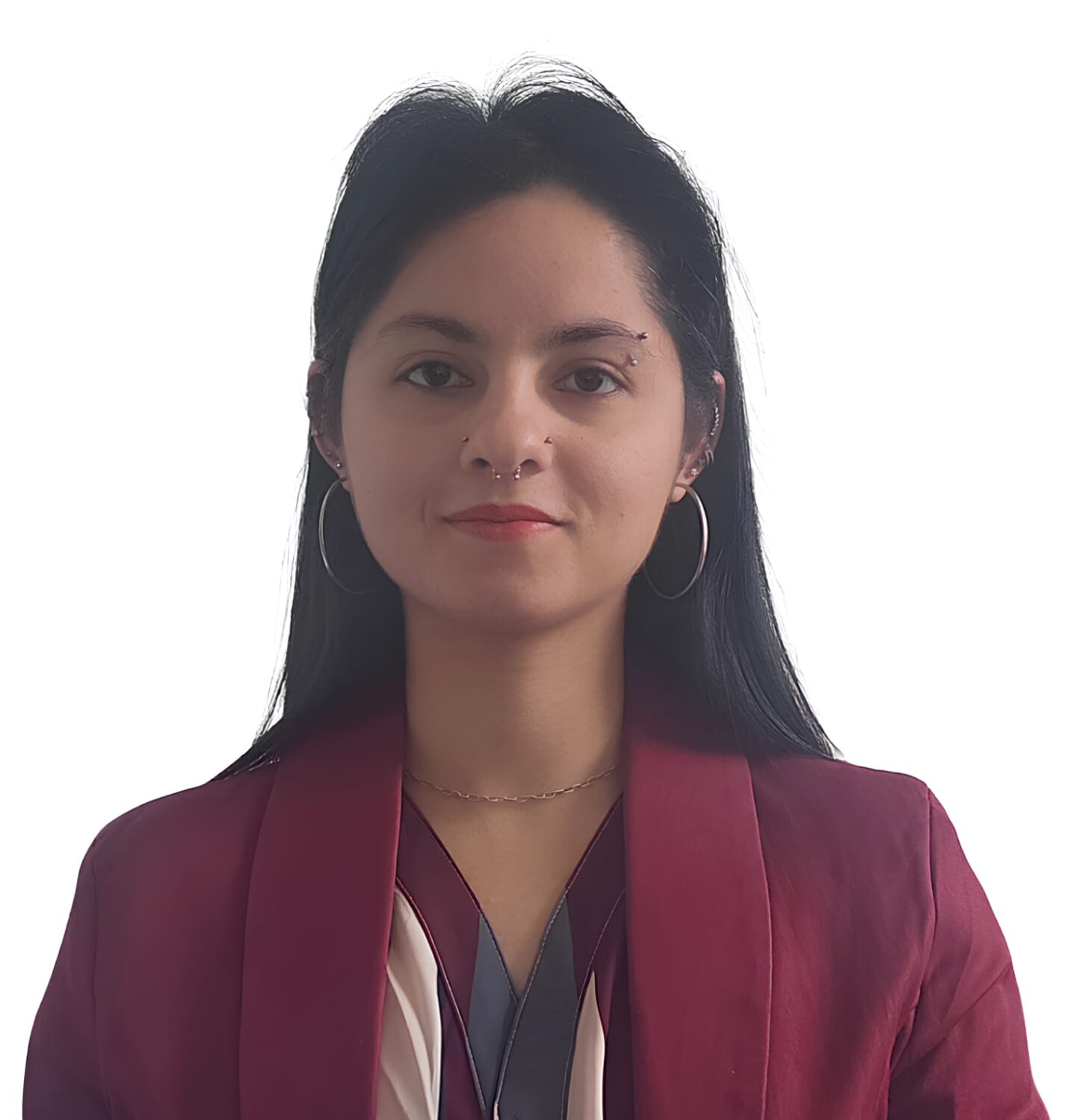
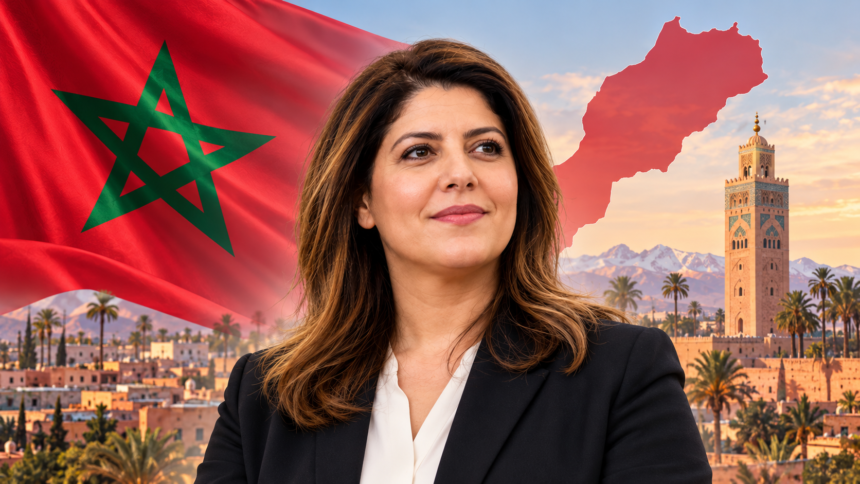
Morocco has entered a new chapter in its political history after King Mohammed VI appointed Fatima Ezzahra El Mansouri as the country’s first female prime minister, breaking a major gender barrier at the top of government while handing her the difficult task of building a coalition and responding to mounting economic and social pressures.
El Mansouri, 50, was appointed on September 29 following Morocco’s parliamentary election on September 23. Under the country’s 2011 constitution, the king appoints the head of government from the political party that wins the largest number of seats in the House of Representatives. Her Authenticity and Modernity Party, known as PAM, emerged as the largest party with 97 of the 395 seats.
The result was a victory but not a majority. A government needs the support of at least 198 lawmakers for a parliamentary majority, leaving El Mansouri dependent on coalition negotiations. The National Rally of Independents, or RNI, finished second with 66 seats, followed by the Istiqlal Party with 65. The Justice and Development Party, or PJD, recovered significantly from its poor 2021 performance to secure 54 seats and has said it will move into opposition. El Mansouri has signalled flexibility in negotiations, saying there would be no “red lines” as she seeks partners for the next government despite tensions between PAM and some of its former coalition allies during the campaign.

From Marrakech Mayor to Morocco’s Top Government Office
A lawyer by training, El Mansouri has built a long political career within PAM. She became mayor of Marrakech in 2009, making her the first woman to lead the major city, and later returned to the post. She served in the outgoing national government as minister responsible for urban planning and housing and has been part of PAM’s collective leadership since 2024.

Her elevation is particularly significant for women’s political representation. Morocco has gradually increased female participation in government and parliament, including through reserved parliamentary seats, but the premiership had remained exclusively male. El Mansouri described the moment as historic and a source of pride for Moroccan women.
However, the election also exposed a significant problem for the incoming government: political disengagement. Turnout was only about 38%, compared with roughly 50% in 2021. Nearly six million registered voters participated. Council of Europe observers said the election was efficiently administered but warned that low participation raised questions about political trust and representation.
Jobs, Prices and the 2030 World Cup

El Mansouri will take office with economic concerns high on the political agenda. Youth unemployment, purchasing power, housing, education and healthcare were prominent issues during the election, following youth-led protests and broader dissatisfaction with public services.
PAM’s election programme promises at least one million net new jobs over five years, including a target of 200,000 annually, alongside measures addressing wages, pensions, social assistance, healthcare, education and housing. The party also proposes increasing women’s economic participation through childcare, safer transport, remote-working legislation and support for female entrepreneurship.
Another enormous responsibility will be preparations for the 2030 FIFA World Cup, which Morocco will co-host with Spain and Portugal. The incoming administration will oversee the final stages of an investment drive estimated at around $20 billion, placing pressure on the government to balance major infrastructure projects with demands for improvements in everyday public services.
Historic Breakthrough but Questions Over Political Change
El Mansouri’s appointment represents an unmistakable milestone for female representation, but whether it produces deeper political change will depend on her government’s policies and room for manoeuvre. Morocco remains a constitutional monarchy in which King Mohammed VI retains extensive authority, particularly over defence, foreign policy and other strategic areas.
PAM itself also has longstanding connections to the political establishment. It was founded in 2008 by Fouad Ali El Himma, a close adviser and childhood friend of the king. Critics therefore question whether a historic change in the identity of the prime minister will also translate into significant changes in how political power operates.
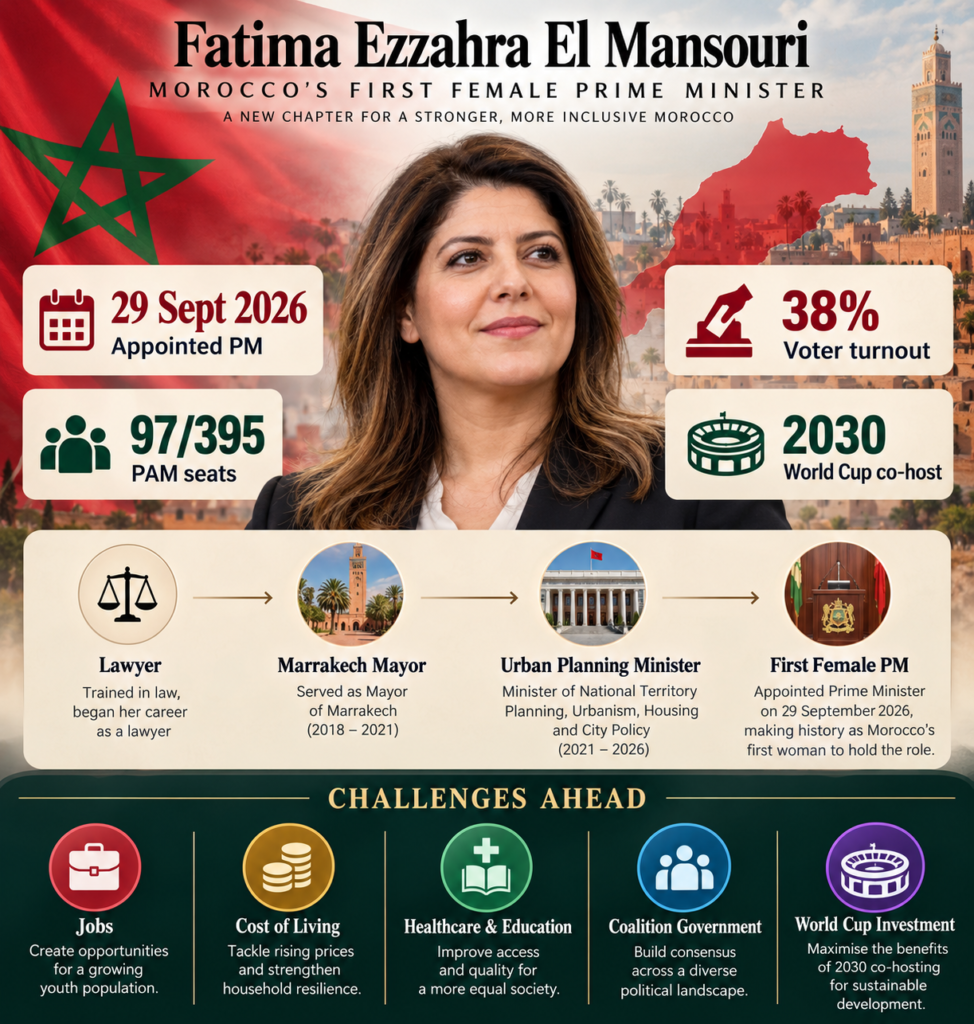
For El Mansouri, the immediate test is less symbolic: she must assemble a workable coalition, translate ambitious campaign promises into policy and convince a large number of politically disengaged Moroccans that the new government can deliver tangible improvements. Her appointment has already broken one of Morocco’s highest political glass ceilings; the next question is what her premiership will change beyond it.