
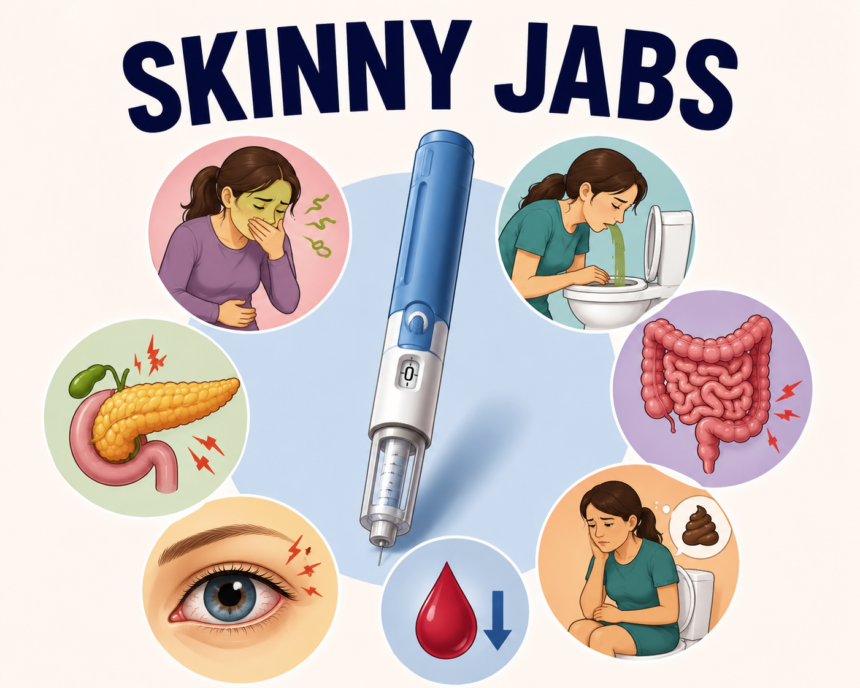
Weight-loss injections popularly known as “skinny jabs” have transformed obesity treatment, helping many patients lose substantial amounts of weight. But as drugs such as Wegovy and Mounjaro become increasingly popular, health regulators are warning that they are powerful prescription medicines, not cosmetic shortcuts, and can occasionally cause serious complications.
The term “skinny jabs” generally refers to medicines that mimic the hormone GLP-1, including semaglutide, or medicines such as tirzepatide that act on both GLP-1 and GIP receptors. They reduce appetite, slow stomach emptying and help people feel fuller for longer. In Britain, semaglutide is marketed for weight management as Wegovy, while tirzepatide, sold as Mounjaro, is licensed for both type 2 diabetes and weight management in eligible patients.
Their popularity has increased dramatically. Research cited by Britain’s Medicines and Healthcare products Regulatory Agency estimated that around 1.6 million adults in England, Scotland and Wales used GLP-1 medicines for weight loss between early 2024 and early 2025.
From Nausea to Dehydration: The Most Common Side Effects
The most frequent problems affect the digestive system. Nausea, vomiting, diarrhoea and constipation are among the best-established side effects of GLP-1 medicines. They are often most noticeable when treatment begins or when the dose is increased. For many patients these symptoms are mild or temporary. However, persistent vomiting or diarrhoea can cause severe dehydration, and the MHRA says some patients have required hospital treatment as a result. Other recognised problems can include abdominal discomfort and gallbladder disorders. Low blood sugar can also occur, particularly depending on the drug and other diabetes medicines being taken.

There are also nutritional concerns when appetite suppression becomes extreme. Rapidly eating much less can make it harder to obtain sufficient protein and other nutrients, while significant weight loss can involve loss of muscle as well as fat. This is one reason the medicines are intended to accompany appropriate diet, physical activity and clinical supervision rather than simply suppressing food intake as much as possible.
Pancreatitis Warning Strengthened in 2026
One of the most serious recognised complications is acute pancreatitis, or inflammation of the pancreas. In January 2026, the MHRA strengthened information provided to patients and healthcare professionals about this risk following reports of severe cases associated with GLP-1 and dual GLP-1/GIP medicines. Pancreatitis remains infrequent, and extremely serious outcomes are rare, but cases of necrotising and fatal pancreatitis have been reported.

The major warning symptom is severe, persistent abdominal pain that may spread through to the back, sometimes accompanied by nausea and vomiting. Anyone taking one of these medicines who develops such symptoms should seek urgent medical attention.
The warning is important because abdominal discomfort, nausea and vomiting can also occur as ordinary side effects. Patients therefore need to recognize when symptoms are unusually severe or persistent rather than assuming everything is an expected consequence of treatment.
Rare Eye Complication Identified
Another safety issue emerged around semaglutide, the active ingredient in Wegovy and Ozempic. In February 2026, the MHRA updated UK product information to include a very rare risk of non-arteritic anterior ischemic optic neuropathy, or NAION. The condition occurs when blood supply to part of the optic nerve is reduced and can cause sudden, usually painless deterioration or loss of vision. The regulator estimates that it may affect up to one in 10,000 people taking semaglutide.
Anyone experiencing sudden partial or complete vision loss while taking semaglutide should therefore seek urgent medical assessment. This does not mean that everyone taking semaglutide is at substantial risk of losing their sight. The complication is considered extremely rare, and regulators continue to regard licensed GLP-1 medicines as having a favourable benefit-risk balance when appropriately prescribed.
Pregnancy and Contraception Concerns
Women who could become pregnant face additional considerations. The MHRA says GLP-1 medicines should not be used during pregnancy, while trying to become pregnant or during breastfeeding, because there is insufficient safety evidence for the developing baby. There is a specific issue with Mounjaro (tirzepatide).
Because it can reduce the effectiveness of oral contraceptives in certain circumstances, women using the pill are advised to use an additional barrier method or switch to a non-oral contraceptive for four weeks after starting tirzepatide and for four weeks following each dose increase. Patients should also tell doctors and anaesthetists that they take a GLP-1 medicine before undergoing surgery or deep sedation. Because the medicines delay stomach emptying, there is a potential risk that stomach contents could enter the lungs during anaesthesia.
Fake ‘Skinny Jabs’ Create Another Danger
Perhaps the greatest avoidable danger comes not from properly prescribed medication but from counterfeit and illegally supplied products. The popularity and cost of weight-loss injections have created a lucrative market on social media and unregulated websites. The MHRA warns that illegally sold products may be counterfeit, contaminated, incorrectly dosed or contain ingredients that are not declared on the packaging.
In July 2026, the regulator again warned consumers against attempting to accelerate weight loss by increasing doses themselves or purchasing injections through unauthorized sellers. This distinction matters. Serious complications from counterfeit injections cannot automatically be attributed to genuine licensed medicines.
Miracle Drug or Dangerous Trend?
Calling GLP-1 medicines either “miracle drugs” or “dangerous skinny jabs” oversimplifies the evidence. For appropriately selected patients living with obesity or weight-related disease, these medicines can provide significant clinical benefits. UK regulators continue to describe them as safe and effective when prescribed for their authorised uses.
The concern arises when prescription medication becomes treated as a fashionable cosmetic product. The MHRA specifically warns that GLP-1 medicines should not be used simply to lose weight for aesthetic or cosmetic purposes by people who do not meet the medical criteria. Their safety and effectiveness have not been established for such use.
As demand grows, the challenge for healthcare systems is therefore balancing extraordinary therapeutic potential against misuse, counterfeit products and unrealistic expectations. “Skinny jabs” can be powerful medical tools, but the nickname risks disguising what they really are: prescription medicines with genuine benefits, common side effects and a small but important risk of serious complications.