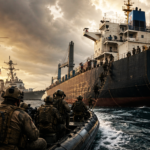
A stark warning from the head of the International Energy Agency has thrust Europe’s aviation sector into the spotlight, revealing stockpiles of jet fuel that may last only six weeks if critical supply routes remain severed. This revelation underscores the fragility of global energy networks strained by geopolitical tensions. Fatih Birol, IEA Executive Director, described the situation as stemming from the ongoing closure of the Strait of Hormuz, through which a fifth of global oil normally flows in peacetime.
Root Causes of the Supply Crunch
The crisis originates from the Iran war, where blockades and military actions have halted oil shipments through the Strait of Hormuz for over six weeks. More than 110 oil tankers sit idle in the Persian Gulf, unable to exit, while over 80 key energy assets in the region have sustained damage, with one third severely affected. Birol noted that even if a peace deal emerges, full recovery could stretch up to two years due to the extent of destruction . This disruption marks what Birol calls “the largest energy crisis we have ever faced”, eclipsing previous shocks in scale.
Aviation Sector on the Brink
Airlines and airports across Europe are bracing for immediate fallout, with potential flight cancellations looming as summer travel peaks. Birol predicted that “soon we will hear the news that some of the flights from city A to city B might be cancelled as a result of lack of jet fuel”. The Airports Council International, representing over 600 European airports, alerted EU officials that without resumed passage through the Strait within three weeks, systemic shortages would materialize. Ryanair’s chief executive Michael O’Leary warned of risks to 10 to 25 percent of supplies by May and June, while easyJet anticipates substantial losses partly tied to these pressures .
Economic Ripples Across Continents
The shortfall extends beyond aviation, promising surges in petrol, gas, and electricity prices that could stifle growth and fuel inflation worldwide. Birol emphasized that developing nations in Asia, Africa, and Latin America, including Japan, Korea, India, China, Pakistan, and Bangladesh, face the harshest initial blows before impacts reach Europe and the Americas. Oil prices have already spiked around eight percent amid the uncertainty, compounding vulnerabilities exposed since Europe’s pivot away from Russian energy post-2022. Fertilizer costs and food security are also rising, with the UN warning of heightened hunger risks.
Policy Responses and Strategic Gaps
European authorities have ramped up measures like mandating 90 percent gas storage fills by November, achieving 95 percent ahead of schedule in recent winters, yet jet fuel reserves reveal persistent gaps in diversification. Experts urge enhanced stockpiling and consumption reforms to buffer against such volatility, noting Europe’s ability to outbid poorer regions for supplies but at the cost of competitiveness. Reliance on external sources, including potential US LNG, introduces risks if geopolitical shifts, like policy changes under President Trump, prioritize domestic needs. The EU’s prior success in slashing Russian oil imports to two percent offers a blueprint, but current events demand accelerated adaptation.
A Final Note
In this precarious landscape, swift diplomatic efforts to reopen vital chokepoints and bolster reserves stand as Europe’s best defense against cascading disruptions. Stakeholders must balance short-term rationing with long-term resilience to safeguard economies and mobility.