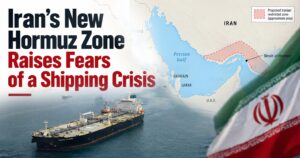
The ongoing conflict in the Middle East has moved beyond a localized humanitarian crisis to become a significant catalyst for global economic instability. According to recent assessments from the International Monetary Fund, the escalation of hostilities is creating profound shocks that reverberate through energy markets, international trade routes, and global financial systems. While the immediate focus remains on the tragic loss of life and infrastructure, the secondary effects are manifesting as a complex web of fiscal challenges that threaten to derail the fragile post pandemic recovery. This situation underscores how deeply interconnected modern economies have become, as a disruption in one corner of the globe can swiftly alter the economic trajectory of nations thousands of miles away.
Energy Markets Under Pressure
One of the most immediate points of concern is the volatility within the global energy sector. The Middle East remains a central hub for oil and gas production, and any perception of risk to the supply chain results in instant price fluctuations. The International Monetary Fund notes that while production levels have remained relatively stable, the cost of insurance and security for energy transport has climbed significantly. These rising overhead costs are often passed down to the consumer, contributing to persistent inflationary pressures that central banks have been struggling to contain. The uncertainty regarding the duration of the conflict keeps energy markets in a state of high sensitivity, where any further expansion of the war could lead to more permanent price hikes that would disproportionately affect developing economies.
Disruptions In Global Maritime Trade
The physical geography of the conflict has also placed a chokehold on critical maritime corridors. Specifically, the threats to shipping in the Red Sea have forced many logistical firms to reroute vessels around the Cape of Good Hope. This detour adds thousands of miles and several days to transit times, significantly increasing freight costs and delaying the delivery of essential goods. Data suggests that trade volumes through the Suez Canal have dropped dramatically as companies prioritize safety over speed. This shift does not only impact the efficiency of global supply chains but also reduces the vital transit revenues for regional economies that rely on these waterways for fiscal stability.
Financial Fragility And Sovereign Risk
Beyond the physical movement of goods and resources, the conflict is reshaping the financial landscape of the region. Investor confidence has taken a hit, leading to increased capital outflows and higher borrowing costs for neighboring countries. The International Monetary Fund highlights that nations with existing high debt levels are particularly vulnerable, as the cost of servicing that debt rises alongside perceived geopolitical risk. This fiscal tightening limits the ability of governments to invest in social programs or infrastructure, potentially leading to long term economic stagnation. Moreover, the tourism sector, a major source of foreign exchange for countries like Egypt and Jordan, has seen a marked decline as travelers avoid the region.
A Precarious Path Forward
The economic consequences of the Middle East conflict serve as a stark reminder of the volatility inherent in the global market. As energy costs fluctuate and trade routes remain compromised, the burden of these disruptions is felt most acutely by the world’s most vulnerable populations. Ensuring economic resilience in the face of such geopolitical upheaval will require coordinated international efforts to stabilize markets and provide support to the nations most directly affected by the spillover. Ultimately, the global economy remains tethered to the hope of a swift resolution to the hostilities to prevent a more permanent downward shift in global growth.