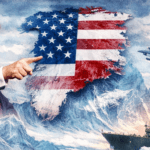
The geopolitical landscape of the Horn of Africa is undergoing a seismic shift as historical territorial disputes collide with modern Middle Eastern strategies. In a move that has drawn widespread condemnation from across the globe, Israel recently became the first United Nations member state to officially recognize the breakaway region of Somaliland as an independent nation. This decision, announced in late December 2025, has triggered a fierce diplomatic counter offensive from the Federal Government of Somalia. President Hassan Sheikh Mohamud has positioned himself as the primary defender of national unity, framing the recognition not merely as a diplomatic disagreement but as a direct assault on the territorial integrity of the Somali Republic.
Challenging The Legality Of Unilateral Recognition
President Hassan Sheikh Mohamud has spent the opening weeks of 2026 consolidating international opposition to what he describes as an illegal infringement on Somali sovereignty. During a forceful nationwide address on January 8, the president asserted that the Federal Republic of Somalia remains one indivisible entity and that no foreign power possesses the legal authority to redefine its borders. According to Al Arabiya, the president dismissed the Israeli declaration as a document with no standing in international law, arguing that the power to grant independence resides solely with the Somali people. His rhetoric reflects a deep seated concern that external recognition of a secessionist region could destabilize a continent where post colonial borders are often fragile and contested.
Strategic Bases And The Rejection Of Displacement Plans
The tension is further intensified by allegations regarding the strategic concessions Somaliland may have offered in exchange for Israeli support. According to reports from Al Ahram Weekly, intelligence suggests the deal involves the establishment of an Israeli military base on the Gulf of Aden to monitor the Bab el Mandeb Strait. More controversially, President Mohamud has accused Israel of seeking to use Somaliland as a site for the forced resettlement of Palestinians from Gaza. While officials in Hargeisa have issued denials regarding such plans, the Somali president remains resolute in his opposition. According to the Somali Guardian, Mohamud has formally rejected any proposal to relocate Palestinians to Somali territory, characterizing such a move as an illegitimate attempt to solve one occupation by creating another.
Regional Resistance And Global Diplomatic Isolation
The international community has largely rallied behind the central government in Mogadishu, fearing that the recognition could ignite a regional conflagration. More than twenty nations, including regional heavyweights Turkey, Egypt, and Saudi Arabia, issued a joint statement on January 8 to condemn the visit of Israeli Foreign Minister Gideon Saar to the Somaliland capital. The African Union Peace and Security Council has also held emergency sessions to reaffirm the inviolability of Somalia’s borders. Analysts suggest that if this recognition is not revoked, it could force neighboring states into a broader military or diplomatic confrontation, especially as Ethiopia considers its own maritime interests in the region.
A Final Note On Regional Stability
The current standoff between Mogadishu and Tel Aviv represents a critical juncture for the Horn of Africa. As President Mohamud continues to seek a peaceful resolution to internal divisions while rebuffing external interference, the outcome will likely dictate the future of Somali unity and the limits of foreign influence in African affairs.