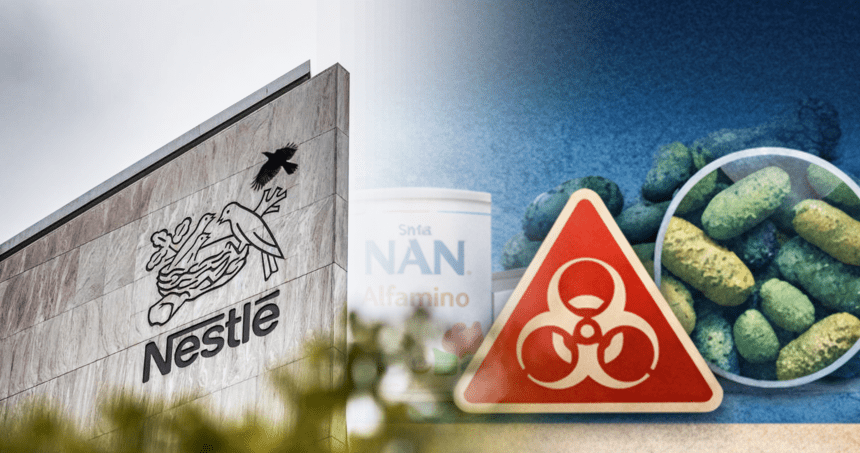
Swiss food giant Nestlé has initiated a global recall of specific batches of its baby formula products after identifying a potential safety risk linked to a bacterial toxin, triggering widespread concern among parents, health authorities and retailers around the world. The recall, which began in early January, affects products sold in dozens of countries across Europe, the Middle East, Africa, Asia, the Americas and Oceania as part of a precautionary move to protect infant health.
According to company statements and public health notices issued from January 5–8, 2026, the recall covers selected batches of major infant nutrition brands including SMA, BEBA, NAN, Alfamino and related follow-on formulas. The affected products may contain cereulide, a heat-stable toxin produced by the bacterium Bacillus cereus, which can cause symptoms such as nausea, vomiting and abdominal cramps. Health authorities have stressed that no illnesses linked to the recalled products have been confirmed to date, underscoring that the action is driven by caution rather than confirmed harm.
Nestlé’s recall effort stems from routine quality checks that detected a possible contamination issue with an ingredient, specifically arachidonic acid (ARA) oil supplied by a third party, used in formula production at multiple facilities. The company said it initiated testing of ingredients and finished products once the quality issue was suspected, later expanding the recall to markets worldwide in cooperation with national food safety agencies.

The recall covers products with a wide range of batch codes and expiry dates, with regulatory agencies like the UK’s Food Standards Agency releasing detailed lists to help consumers identify impacted items. Retailers in affected regions have been instructed to remove products from shelves, and consumers are urged to check packaging for batch numbers against local recall notices and return affected products for a refund.

When and where it began: The initial recall alert was issued in early January 2026, first publicised across European markets before expanding rapidly to other regions, including the Middle East (such as the UAE, Saudi Arabia and Kuwait), parts of Africa like Ethiopia, and countries across Asia and the Americas. Authorities in at least three dozen countries have issued formal recalls or health warnings, reflecting the broad distribution of Nestlé’s infant formulas.
Why it matters: Baby formula is a critical source of nutrition for infants who are not breastfed or need supplementing, and any safety concerns can shake public confidence. Cereulide, the potential contaminant of concern, is not easily destroyed by normal preparation methods such as boiling or mixing with hot water, heightening the complexity of the risk assessment. Public health experts emphasise that, while the presence of cereulide in food products is rare, even the possibility of food poisoning in vulnerable infants warrants rapid action.
Government agencies and food safety regulators have generally supported Nestlé’s recall as necessary. In the United Arab Emirates, the Emirates Drug Establishment advised parents to immediately stop using affected products and seek guidance from healthcare providers if they have concerns. Similar advisories have been issued in Europe and other regions, with officials distributing batch lists to parents and retail points.

Parents and consumer advocacy groups have expressed anxiety and frustration over the recall, with some calling for greater transparency and faster communication from multinational food producers. The situation has rekindled broader debates about food safety regulation, particularly for the sensitive infant foods category. In some markets, watchdogs have criticised delays in public reporting and coordination between manufacturers and authorities.
Financial and corporate impact: While Nestlé insists that the volume of products involved represents a small fraction of its overall sales, analysts estimate the recall could result in significant financial costs, potentially reaching over CHF 1 billion (around US $1.2 billion) in lost revenues, supply chain expenses and reputational damage. The incident arrives at a challenging time for the company as it attempts to stabilize growth under new leadership and manage other quality issues.
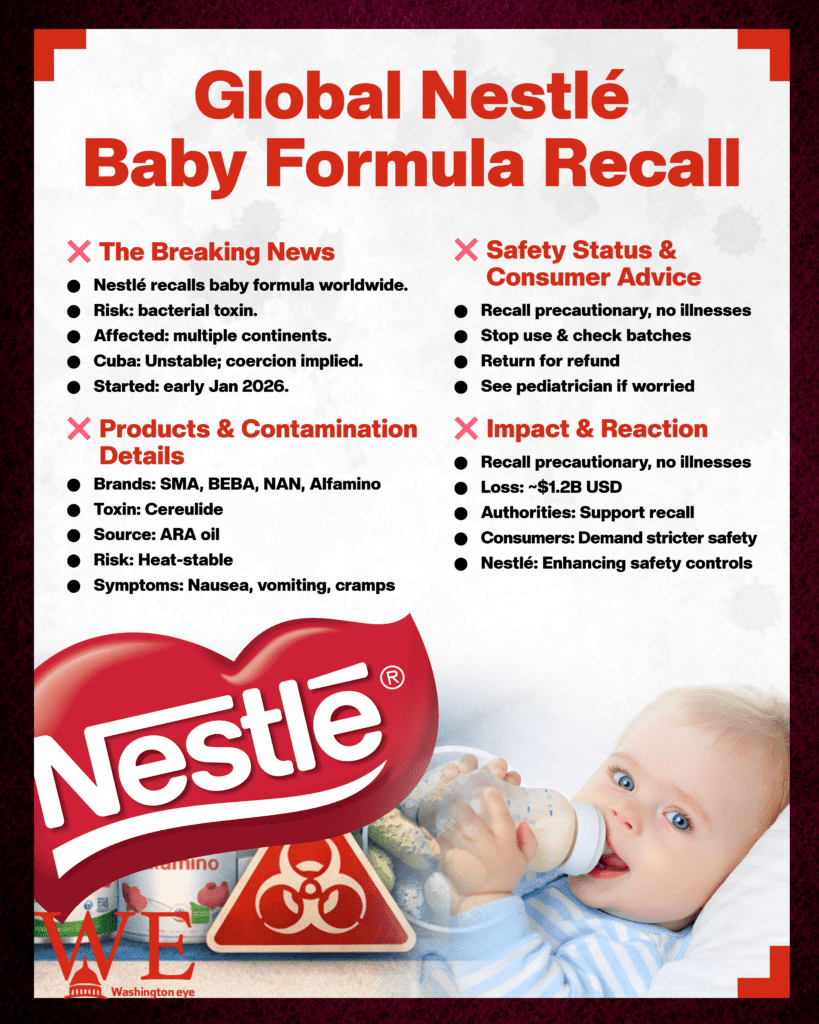
Nestlé has reiterated that infant formula safety is a top corporate priority and pledged to work with suppliers and regulators to enhance quality controls and restore public trust. Meanwhile, health authorities stress that parents should consult pediatricians if they are unsure whether the products they have purchased are subject to the recall.