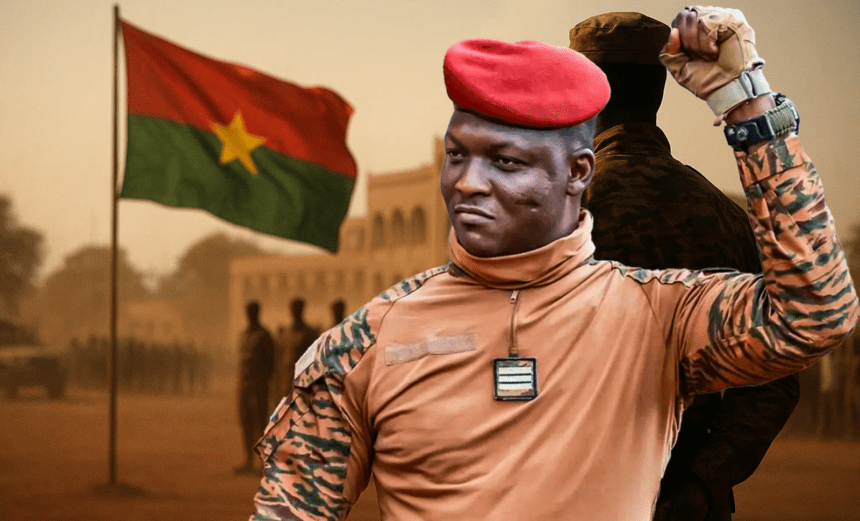
Burkina Faso’s political landscape has undergone a dramatic transformation since Captain Ibrahim Traoré seized power on September 30, 2022, in a military-led takeover in Ouagadougou, citing the government’s failure to stop escalating jihadist violence. At just 34, Traoré became the world’s youngest head of state, and in just over two years, he has set out an ambitious, controversial, and highly nationalist agenda that is reshaping the West African nation’s politics, foreign relations, and economic direction.
Traoré rose from a little-known artillery officer to a popular figure among large segments of Burkinabé youth who were disillusioned by years of insecurity, economic stagnation, and deep frustration with what many perceived as heavy foreign, particularly French, influence. His supporters describe him as a symbol of African self-determination, while critics warn of democratic backsliding, increasing authoritarianism, and a risky shift toward new geopolitical alliances.
Under Traoré’s leadership, Burkina Faso has pursued an assertive foreign policy pivot away from France, its former colonial power. In early 2023, Traoré ordered the withdrawal of French troops, expelled French diplomats, and suspended French media outlets such as RFI and France 24, accusing them of biased reporting and interference. The government also ended several longstanding military agreements with Paris, marking a historic rupture in a relationship that shaped Burkina Faso’s security strategy for decades. This move aligned Burkina Faso more closely with its military-led neighbors, Mali and Niger, forming the Alliance of Sahel States (AES), a bloc focused on collective defense, economic cooperation, and shared resistance to external political pressure.
Traoré’s government strengthened ties with Russia, welcoming military training, equipment, and advisory support. Critics in Europe argue that this has replaced one form of dependency with another, but the Burkinabé leadership insists that Moscow offers a more “respectful partnership” centered on sovereignty. Traoré has repeatedly said he seeks diversified alliances, including cooperation with Turkey, China, and several Gulf countries, as part of a multi-polar foreign policy strategy.
Domestically, Traoré’s administration has prioritized security, economic revival, and social mobilization. He launched the Patriotic Support Fund, which channels state and citizen contributions into counterterrorism operations. Tens of thousands of Volunteers for the Defence of the Homeland (VDP), a civilian auxiliary force, have been recruited to support the military in retaking territory from jihadist groups linked to al-Qaeda and ISIS. While the government claims significant gains, human rights organizations have raised concerns about extrajudicial killings, arbitrary arrests, and restrictions on press freedom.
Economically, Traoré has pushed for increased state control over natural resources, particularly gold, which accounts for more than 70% of Burkina Faso’s exports. His government has announced audits of mining contracts and expressed intentions to renegotiate agreements deemed unfavorable to the nation. Traoré’s speeches frequently emphasize “economic liberation” and the need for value-added industries rather than raw material exports. Small-scale agriculture programs have also been revived, with initiatives encouraging youth farming cooperatives and state-backed food production to ease dependence on imports.
The government has also promoted pan-African ideology, hosting cultural festivals, youth conferences, and public campaigns encouraging “patriotism and African dignity.” Traoré’s fiery rhetoric about sovereignty and anti-neocolonialism resonates strongly in the Sahel, where many citizens feel abandoned by Western governments amid security crises.
However, political analysts caution that Traoré’s transition plan remains uncertain. Elections initially scheduled for 2024 have been postponed indefinitely, with the government citing security challenges. International organizations, including the African Union and ECOWAS, have urged a clear roadmap back to civilian rule, though Traoré maintains that stability must precede elections. His popularity at home appears strong, especially among young Burkinabés active on social media, but opposition parties remain restricted and civil liberties have tightened.
As Burkina Faso navigates this turning point, Traoré’s leadership continues to draw global attention. His supporters believe he represents a new generation of African leaders seeking independence from foreign influence and prioritizing local needs over international pressure. Critics argue that centralized power, opaque governance, and heightened militarization could create long-term instability. What remains clear is that Ibrahim Traoré, once an unknown soldier, has become one of the most influential and polarizing figures in Africa’s evolving political landscape.