

Brain fog is not a formal medical diagnosis, yet it has become one of the most widely used health terms of the decade, describing a cluster of cognitive symptoms that leave people feeling mentally “cloudy,” slow, or unfocused. The term has gained prominence globally over the past few years, particularly after the COVID-19 pandemic, as millions reported lingering cognitive difficulties even after physical recovery. From offices in New York and London to universities in Berlin and Islamabad, brain fog has emerged as a shared experience cutting across age, profession, and geography.
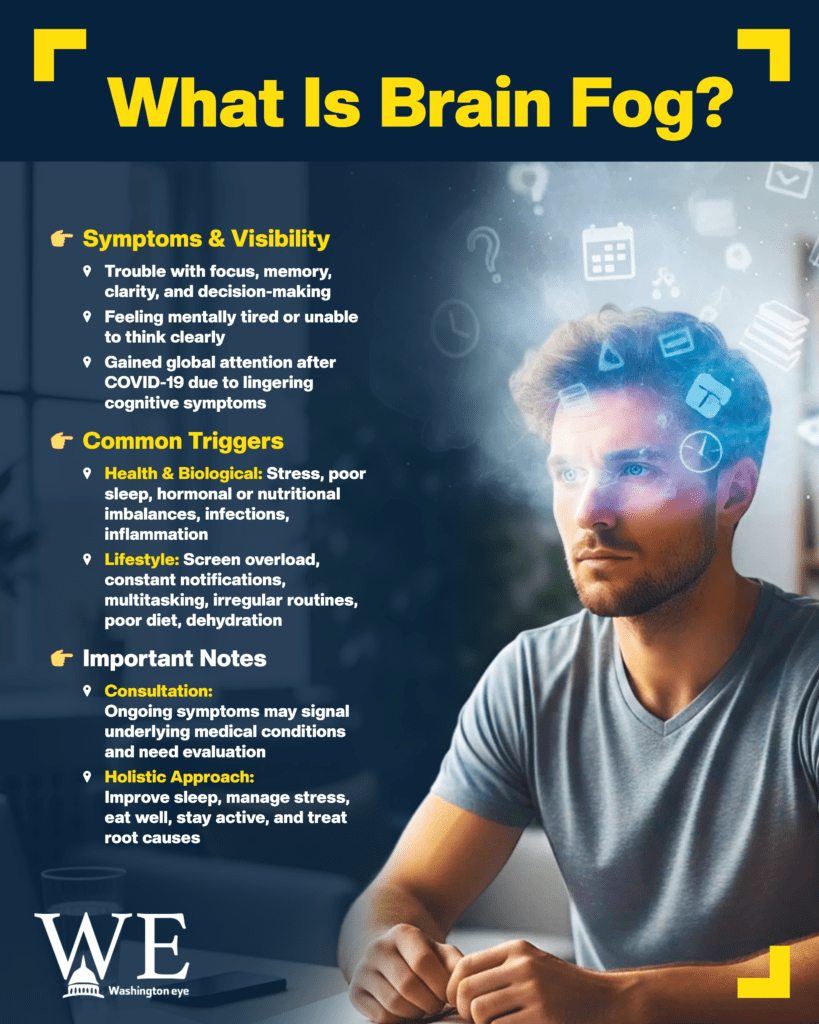
At its core, brain fog refers to problems with concentration, memory, mental clarity, and decision-making. People often describe it as feeling forgetful, mentally tired, disoriented, or unable to think clearly, even when performing routine tasks. While it can be temporary, recurring episodes may significantly affect work performance, academic life, and overall quality of life. Health experts stress that brain fog is a symptom rather than a disease, usually signaling that something in the body or mind is out of balance.
The origins of the term “brain fog” are informal and patient-driven rather than clinical. It began appearing in online health forums and patient support groups in the early 2000s, particularly among people with chronic fatigue syndrome, fibromyalgia, and autoimmune disorders. Over time, it entered mainstream usage through blogs, wellness communities, and later social media platforms. During the COVID-19 pandemic, the phrase gained unprecedented visibility as long-COVID patients reported persistent cognitive symptoms months after infection, prompting renewed medical and scientific attention.
Medical research suggests that brain fog can be triggered by a wide range of factors. Common causes include chronic stress, anxiety, depression, sleep deprivation, hormonal changes, nutritional deficiencies (such as low vitamin B12 or iron), and inflammatory conditions. Infections, including COVID-19 and influenza, have also been linked to temporary or prolonged cognitive impairment. Neurologists explain that inflammation in the body can affect the brain’s signaling pathways, leading to slower information processing and reduced mental sharpness.

Lifestyle factors play a significant role as well. In an era dominated by constant notifications, long screen hours, and irregular sleep patterns, cognitive overload has become routine. Experts note that excessive multitasking and digital fatigue can exhaust the brain’s executive functions, making people feel mentally “foggy” even without an underlying illness. Poor diet, dehydration, and lack of physical activity further compound the problem, particularly among young professionals and students.
Social media has been instrumental in shaping public awareness of brain fog. Platforms such as TikTok, Instagram, and X are filled with personal stories, symptom checklists, and self-help tips, some evidence-based and others less reliable. While this visibility has helped reduce stigma around cognitive struggles and mental health, doctors caution against self-diagnosis and misinformation. Trending content may oversimplify complex medical issues, encouraging people to label normal fatigue as a medical condition or to rely on unverified remedies.
From a health perspective, brain fog has become an important public health conversation. Employers and educators are increasingly recognizing cognitive burnout as a productivity and well-being issue. Some companies have introduced flexible work hours, digital detox policies, and mental health support to address concentration problems among employees. In healthcare settings, clinicians emphasize a holistic approach, focusing on sleep quality, stress management, balanced nutrition, regular exercise, and treatment of underlying conditions rather than quick fixes.
Experts also warn that persistent brain fog should not be ignored. When symptoms last for weeks or months, they may indicate more serious issues such as thyroid disorders, autoimmune diseases, post-viral syndromes, or neurological conditions. Early medical consultation can help rule out serious causes and guide appropriate treatment. Importantly, recognizing brain fog as a legitimate symptom validates patient experiences and encourages timely care.
As modern life accelerates and global health challenges continue to evolve, brain fog reflects a broader intersection of physical health, mental well-being, and digital culture. Its rise in public discourse underscores the need to slow down, listen to the body, and prioritize cognitive health as much as physical fitness. While brain fog may feel invisible, its impact is real, and addressing it requires both individual awareness and systemic support.