
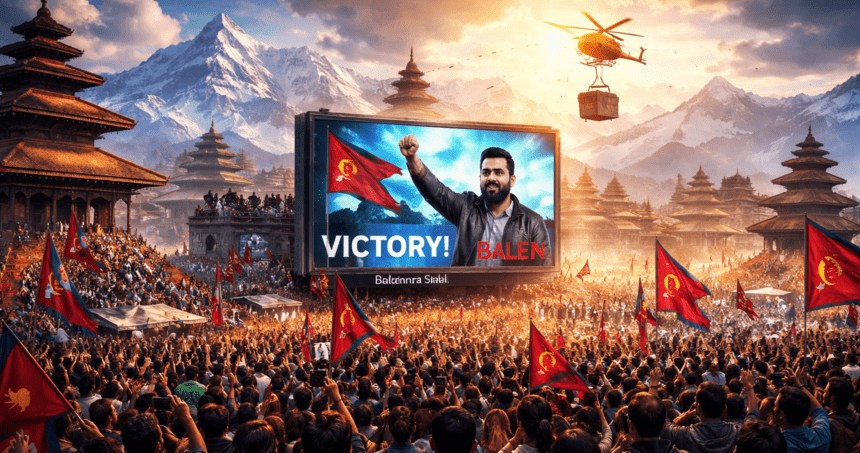
Nepal has conducted its first nationwide parliamentary election since the violent political unrest that shook the Himalayan nation in 2025, marking a major turning point in the country’s democratic journey. The election, held on March 5, 2026, saw millions of voters across the mountainous country head to polling stations in hopes of ending months of political instability and ushering in a new generation of leadership. The vote comes after a dramatic year in which youth-led protests forced the government from power and triggered sweeping demands for political reform.
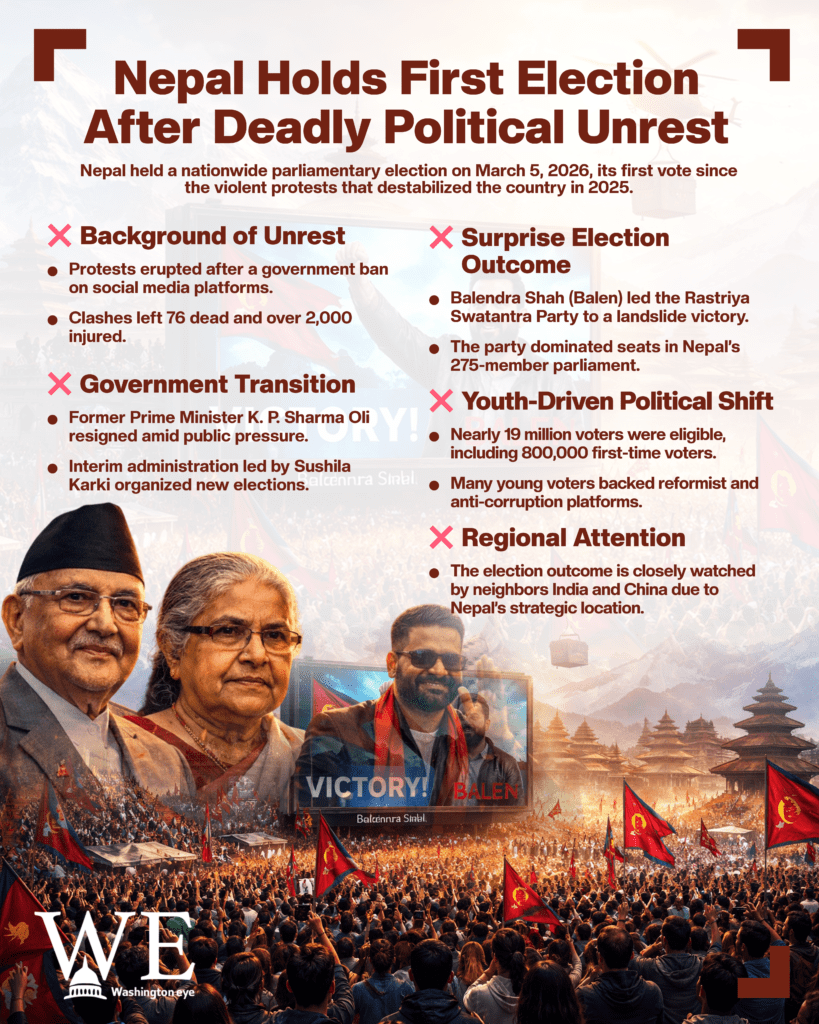
The unrest began in September 2025, when large protests erupted across Nepal after the government imposed a nationwide ban on several social media platforms. The decision, widely viewed as an attempt to silence criticism, sparked anger among students and young citizens who were already frustrated by corruption, unemployment and a lack of political accountability. Demonstrations quickly escalated into nationwide clashes between protesters and security forces. At least 76 people were killed and more than 2,000 injured, making it one of the most violent political crises in the country in recent decades.
Public pressure eventually forced then-Prime Minister K. P. Sharma Oli resigned, and an interim government led by former chief justice Sushila Karki was installed to stabilize the country and prepare for new elections. Authorities promised that the upcoming vote would allow citizens to choose a new leadership capable of addressing economic hardship, corruption and political distrust that had built up over the years.
Against this backdrop, the 2026 election became a contest between Nepal’s traditional political parties and a new wave of leaders backed by the youth movement that had fueled the protests. The campaign focused heavily on anti-corruption measures, job creation for young people, economic reforms and improvements in public services such as health care and education. Many voters, particularly first-time voters, saw the election as an opportunity to reshape Nepal’s political landscape after decades dominated by a handful of established parties.
Nearly 19 million citizens were eligible to vote, including more than 800,000 first-time voters, many of them members of Generation Z who had participated in the protests. Polling stations were set up across the country, from the crowded streets of Kathmandu to remote Himalayan villages where ballot boxes were transported by helicopters, porters and even mules due to the difficult terrain. Despite fears of unrest, the voting process remained largely peaceful, though turnout was estimated at around 60 percent, slightly lower than previous national elections.
The biggest surprise of the election was the landslide victory of the Rastriya Swatantra Party (RSP) led by Balendra Shah, popularly known as Balen, a 35-year-old rapper-turned-politician and former mayor of Kathmandu. Shah became a prominent figure during the youth uprising and campaigned on promises of transparent governance, economic development and greater opportunities for young people. Early results showed his party winning or leading in the majority of seats in Nepal’s 275-member parliament, positioning him to form the next government.
In a symbolic moment reflecting the country’s changing political mood, Shah defeated former prime minister Oli in the Jhapa-5 constituency by a wide margin, gaining record-breaking vote totals. His victory represents a dramatic shift in Nepal’s politics, where new leaders and independent movements have begun to challenge the influence of long-established parties such as the Nepali Congress and the Communist Party factions.

Celebrations erupted in several cities after early results confirmed the strong performance of Shah’s party. However, the new leadership faces enormous challenges. Nepal continues to struggle with economic stagnation, high youth unemployment and a growing number of workers leaving the country in search of jobs abroad. Analysts warn that the expectations of voters, especially the young people who drove the protests, are extremely high, and failure to deliver reforms could quickly lead to renewed political pressure.
International observers are also closely watching the outcome. Nepal sits strategically between India and China, and any shift in its political direction could influence regional diplomacy and economic partnerships. Neighboring countries have shown keen interest in the election results, hoping the new government will maintain stability in the region.
For many Nepalis, the 2026 election represents more than a routine democratic process. It symbolizes a generational turning point after months of unrest and political upheaval. Whether the new leadership can translate the energy of street protests into lasting reforms will determine the future direction of Nepal’s fragile democracy.