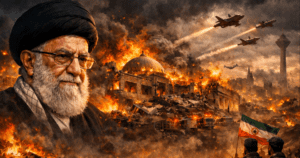
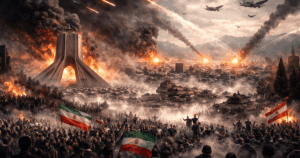
The current global landscape is witnessing a significant shift as international focus moves from Eastern Europe to the Levant. While the world watches the escalating tensions between Israel and Iran, the Kremlin views the situation through a lens of strategic opportunity. This transition in international priorities offers Moscow a unique chance to redefine its influence on the world stage while simultaneously addressing its own domestic and military requirements. The ongoing volatility within the Middle East presents a complex set of advantages for the Russian Federation that go far beyond simple news headlines. By examining the implications of this conflict, it becomes clear that Russia is seeking to leverage the instability to weaken Western influence while solidifying its own status as a central power broker.
Geopolitical Shifts and Western Distraction
According to analysis by Steve Rosenberg of the BBC, a primary benefit for the Kremlin is the diversion of Western attention and resources. As the United States and its allies become more deeply involved in preventing a regional war in the Middle East, their capacity to provide undivided support to Ukraine faces a natural decline. This environment allows Russia to advance its goals with less direct interference from the international community. The Russian leadership understands that Western political focus is a finite resource. When the White House is forced to manage a crisis involving Iran, it has less time and political capital to lobby for aid packages or strategic initiatives in other theaters. This distraction provides Moscow with a vital breathing room to consolidate its positions and prepare for extended operations.
The Strategic Alliance Between Moscow and Tehran
The relationship between Russia and Iran has evolved into a strategic partnership born of mutual necessity. Moscow relies heavily on Tehran for military hardware, specifically the drones used in its current military operations. In exchange, Iran seeks advanced Russian technology and a powerful ally that can provide diplomatic cover at the United Nations. As highlighted by the BBC, this bond is being formalised through high level meetings, such as the discussions between Vladimir Putin and Masoud Pezeshkian at the BRICS summit. Russia uses these interactions to demonstrate that it is not isolated despite Western sanctions. Instead, it is building a coalition of states that oppose the existing international order. This partnership is a cornerstone of the Russian strategy to create an alternative center of power that does not rely on Western approval or financial systems.
Economic Profitability and the Risk Of Regional Chaos
From an economic perspective, instability in a region rich in oil often results in higher energy costs globally. As a major exporter of energy, Russia stands to gain significantly from any increase in the price of crude oil. These additional revenues are essential for sustaining the national budget and funding the ongoing military efforts of the Kremlin. However, this is a delicate balance to maintain. Russia also possesses military assets and bases in Syria which could be jeopardized by a total collapse of regional stability. While Moscow benefits from a certain level of tension that keeps prices high and the West distracted, a total war could force Russia into a difficult position where its own regional interests are at risk.
The Final Outlook
The Kremlin is currently navigating a period of immense change where the chaos of its neighbors provides both profit and peril. By positioning itself as a mediator and a partner to Iran, Russia seeks to undermine the influence of the United States while securing its own financial and military future. The ability of the Russian leadership to manage these competing interests will be a defining factor in its quest to remain a global power. Ultimately, Moscow hopes that the shift in global attention will provide the necessary conditions to achieve its objectives with minimal resistance from a distracted West.