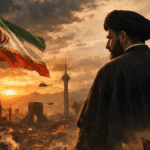
The geopolitical landscape of the Middle East has reached a critical juncture following a direct warning from Iran’s Supreme Leader Ayatollah Ali Khamenei regarding the potential for a full scale regional conflict. This development follows a period of intensifying hostilities and suggests that the threshold for a wider war is becoming dangerously thin. As the United States considers its strategic responses to recent provocations, the rhetoric emerging from Tehran serves as a reminder of the fragile balance of power. The situation is no longer contained within isolated skirmishes but has evolved into a high stakes standoff that could reshape regional security for decades.
Strategic Deterrence And The Threat Of Total War
The core of the recent messaging from the Iranian leadership centers on the concept of collective defense among its regional allies. According to reports by the BBC, Khamenei has signaled that any direct military intervention by the United States against Iranian interests would trigger a synchronized response across multiple fronts. This strategy aims to create a deterrent by highlighting the vulnerability of American assets and allies in the vicinity. By framing the potential conflict as a regional war rather than a bilateral one, Iran intends to complicate Washington’s military calculus. The implication is that the cost of an attack would not be limited to a single theater but would instead ignite a firestorm involving various non state actors and sovereign partners throughout the Levant and the Gulf.
Implications For International Stability And Energy Security
The consequences of such an escalation extend far beyond the immediate military theater. Analysts suggest that a regional conflict would almost certainly disrupt global energy markets, particularly given the proximity of the tension to the Strait of Hormuz. A significant portion of the world’s oil supply passes through this narrow waterway, and any interruption could lead to a global economic shock. Furthermore, the involvement of the United States in a prolonged Middle Eastern conflict would necessitate a massive reallocation of diplomatic and military resources, potentially distracting from other global priorities in Eastern Europe and the Indo Pacific. The threat of a regional war serves as a powerful lever for Iran, as it forces the international community to weigh the benefits of military pressure against the risks of a systemic global crisis.
Diplomatic Deadlocks And The Path Forward
Despite the aggressive rhetoric, the current situation underscores a profound failure in diplomatic channels. The lack of direct communication between Washington and Tehran has created a vacuum where misunderstandings can easily lead to unintended escalation. While the United States maintains its right to defend its personnel and interests, the Iranian leadership views such actions as an existential threat to its sovereignty. This cycle of retaliation and counter retaliation creates a feedback loop that is difficult to break without significant third party mediation. The international community now faces the challenge of de-escalating the rhetoric while addressing the underlying security concerns that have brought the region to this precarious edge.
A Final Note: A Precarious Future
The warning issued by Iran’s Supreme Leader reflects a deepening conviction that the region is prepared for a sustained confrontation. As the United States weighs its next moves, the primary challenge remains finding a path that ensures security without triggering the very conflagration it seeks to avoid. The coming weeks will be instrumental in determining whether diplomacy can reclaim its place or if the region will descend into a new era of unrest.