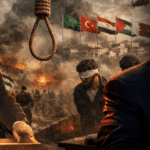
The intersection of national sovereignty and international human rights law has reached a critical juncture as the International Criminal Court moves forward with its assessment of the situation in the Philippines. This legal process represents a landmark moment for global accountability, focusing on the systematic campaign against illegal drugs during the administration of former President Rodrigo Duterte. As judges in The Hague deliberate on whether to issue warrants or summonses, the international community watches a case that could redefine the reach of the Rome Statute and the efficacy of global judicial oversight in domestic affairs.
Legal Foundations and the Question of Jurisdiction
The core of the current proceedings lies in the determination of whether the killings associated with the war on drugs constitute crimes against humanity. According to reports from United Nations news outlets, the court is evaluating evidence regarding the alleged extrajudicial killings of thousands of individuals between July 2016 and March 2019. A significant legal hurdle in this process has been the Philippine government’s decision to withdraw from the Rome Statute in 2019. However, the court maintains that it retains jurisdiction over crimes committed while the country was still a member state. This stance underscores a critical implication for international law: withdrawal from a treaty does not grant retroactive immunity for actions performed during the period of membership.
Implications for Domestic Policy and Human Rights
The progression of this case carries profound implications for the domestic political landscape of the Philippines. For years, the campaign was characterized by a rhetoric of zero tolerance, which critics argue fostered a culture of impunity among law enforcement agencies. By elevating these events to an international stage, the court provides a mechanism for victims who felt they had no recourse within the local justice system. If the court decides there is a reasonable basis to proceed, it may force a reevaluation of how internal security policies are crafted in democratic nations. The proceedings suggest that state-led initiatives, even those aimed at social issues like narcotics, must remain within the boundaries of established international humanitarian standards.
Global Precedent for Executive Accountability
This assessment is not merely about one nation but serves as a broader signal regarding executive accountability across the globe. The willingness of international judges to scrutinize the actions of a former head of state highlights the evolving nature of global governance. It reinforces the principle that high office does not shield individuals from investigation regarding large scale rights violations. For other nations grappling with internal conflict or aggressive policing strategies, the Philippine case serves as a reminder that the international community possesses the tools to intervene when domestic institutions are perceived as unwilling or unable to provide justice.
Looking Toward a Possible Resolution
As the judicial process continues, the focus will remain on the strength of the evidence gathered by the prosecution and the cooperation of the current Philippine administration. While the legal journey is likely to be lengthy and fraught with diplomatic challenges, the move to the assessment phase indicates a significant step toward transparency. The final determination will likely influence how future international investigations are conducted, particularly in regions where the balance between state security and individual liberty is under constant tension. Regardless of the immediate outcome, the case has already succeeded in keeping the conversation regarding human rights and accountability at the forefront of the global agenda.