The fragile stability of the South Caucasus has reached a critical tipping point as the wider conflict in the Middle East spills into the territories of the former Soviet Union. For years, the relationship between Baku and Tehran has been characterized by a complex mix of economic cooperation and deep seated suspicion. However, the recent violation of Azerbaijani airspace marks a significant escalation that threatens to transform a regional cold war into a direct military confrontation. As the geopolitical landscape shifts, the authorities in Azerbaijan find themselves navigating a treacherous path between defending their national sovereignty and avoiding a catastrophic regional conflagration.
A Targeted Breach in Nakhchivan
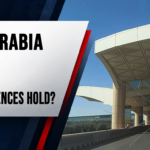
The tension reached a boiling point on March 5, 2026, when four unmanned aerial vehicles originating from Iran crossed into the Nakhchivan Autonomous Republic. According to reports from the South China Morning Post, the incursion resulted in four civilians being injured when one drone impacted the terminal building of the Nakhchivan International Airport while another fell near a local school. This specific geographical target is significant because Nakhchivan is a landlocked exclave separated from the rest of Azerbaijan by Armenian territory, making it both a strategic asset and a vulnerable point of pressure.
President Ilham Aliyev reacted with unprecedented severity, describing the event as an unprovoked act of terror and aggression during a meeting of the Security Council. While the Iranian General Staff of the Armed Forces issued a denial via state media, claiming they do not attack neighboring countries, the Azerbaijani Ministry of Defense has already placed its military and security services on combat alert. As noted by United24 Media, additional troops and air defense assets have been deployed to the southern border to intercept any further low flying threats.
The Israel Iran Equation and Regional Blowback
At the heart of this confrontation lies the strategic partnership between Baku and Tel Aviv. Azerbaijan serves as a primary supplier of crude oil to Israel, while Israel provides the sophisticated military technology and drones that were instrumental in Azerbaijan’s recent military successes. Tehran has long viewed this relationship as a direct threat to its national security, often accusing Baku of hosting foreign intelligence agents on its soil. These long standing grievances have been amplified by the massive air campaign launched against Iran by the United States and Israel on February 28, 2026.
The killing of Supreme Leader Ayatollah Ali Khamenei in an Israeli strike has left the Iranian leadership in a state of volatile transition. Analysts cited by Radio Free Europe indicate that Tehran may be using these border incursions to signal its ability to disrupt the interests of Israeli allies. The risk of miscalculation is high, as any further strikes could trigger the 2021 alliance agreement between Azerbaijan and Turkey. Turkish officials have already signaled their readiness to safeguard Azerbaijani borders, which could potentially draw a NATO member into a direct exchange with Iranian forces.
Energy Infrastructure Under the Cloud of Conflict
The potential for economic disruption serves as a critical dimension of the ongoing border tensions, particularly regarding the security of regional energy infrastructure. Azerbaijan has meticulously positioned itself as a vital alternative to Russian energy for the European market, yet its most essential assets now sit within the reach of sophisticated Iranian missile and drone technology. The Baku Tbilisi Ceyhan pipeline and the South Caucasus pipeline remain indispensable for European energy security, and any physical or cyber disruption to these transit routes would likely trigger immediate and severe spikes in global commodity prices.
As reported by SpecialEurasia, even minor perceived threats can result in disproportionately large economic repercussions due to the fragile interconnectedness of these supply chains. Consequently, Baku faces a deteriorating defense posture that necessitates increased military spending and a massive mobilization of forces along its southern frontier. This heightened state of alert increases the risk of an accidental escalation that could paralyze trade relations and force a costly search for alternative routes for food and material imports. While Azerbaijan has historically maintained that its territory would not be used for strikes against Iran, the recent breach of its sovereignty may force a reassessment of this non aligned stance.
A Final Note
The current crisis represents more than a simple border skirmish; it is a manifestation of how quickly local disputes can be absorbed into global power struggles. As Baku demands a formal apology and criminal liability for those involved in the drone strikes, the international community remains watchful. The coming days will determine if diplomacy can restore the balance or if the South Caucasus will become the next major theater of the widening Middle East war.