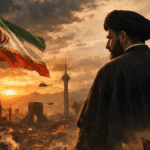
The geopolitical landscape of the Middle East faces a critical juncture as Iran and the United States maneuver through a high stakes diplomatic dance. Recent developments indicate that Tehran has formally requested a change of scenery and a narrowing of objectives for the anticipated high level meetings. Originally slated to take place in Istanbul, the Iranian government is now advocating for Muscat, Oman, as the preferred location. This shift reflects a strategic preference for a venue that has historically served as a quiet and reliable conduit for backchannel communications between the two adversarial nations.
Strategic Recalibration of the Diplomatic Theater
Iran’s push to move the talks to Oman is more than a mere logistical preference. By selecting Muscat over Istanbul, Tehran appears to be seeking a more controlled and bilateral environment. While Turkey has often played the role of a regional mediator, Oman is viewed by the Iranian leadership as a more neutral ground that specializes in discreet, direct diplomacy. This move coincides with an Iranian demand to limit the scope of the discussions strictly to the nuclear file. According to regional sources cited by Reuters, Iran intends to exclude its ballistic missile program and its network of regional proxies from the immediate agenda. This narrow focus serves as a defensive mechanism to protect what Tehran considers its non-negotiable sovereign interests while addressing the most pressing international concern: its nuclear capabilities.
Divergent Agendas and the Risk of Impasse
The friction between Washington and Tehran is exacerbated by a fundamental mismatch in expectations. The current U.S. administration, led by President Donald Trump, has signaled a desire for a comprehensive agreement that goes far beyond nuclear enrichment. The American side seeks to address Iran’s regional influence and its development of long range weaponry. A regional diplomat informed Al Arabiya that while Iran wants a two way nuclear dialogue, the U.S. maintains that a lasting deal must encompass the broader security threats posed by Tehran. This discrepancy creates a significant hurdle for the talks, as both sides enter the room with mutually exclusive priorities. The presence of high profile figures like Jared Kushner and Steve Witkoff on the American side suggests that Washington is looking for a definitive, broad based resolution rather than a temporary freeze.
Regional Stability Amidst Military Posturing
The diplomatic efforts are unfolding against a backdrop of increasing military friction in the Persian Gulf. Just days before the scheduled talks, the U.S. military reported shooting down an Iranian drone that was approaching an American aircraft carrier in the Arabian Sea. Such kinetic incidents underscore the volatility of the situation and the immense pressure on the diplomatic track to deliver results. For regional powers such as Saudi Arabia, Egypt, and Qatar, the success of these talks is vital to preventing a slide into a broader regional conflict. These nations have been actively involved in facilitating the dialogue, hoping that even a narrow agreement on nuclear issues could provide a necessary cooling off period for the region.
A Final Note on the Path Forward
The decision to move the talks to Oman and the struggle over the agenda highlights the deep rooted mistrust that continues to define U.S. and Iranian relations. While the transition to a bilateral format in Muscat may streamline communication, the fundamental gap between a nuclear only focus and a comprehensive security overhaul remains the primary obstacle to a sustainable peace. Progress will likely depend on whether both parties can find a middle ground that balances regional security with national sovereignty.